The biggest shifts in 2026 stem from how people want to live, connect and learn — creating fresh opportunities for martial arts clubs.
You enjoyed our martial arts predictions for 2025 so much that we're back with a fresh set of predictions for 2026.
The biggest shifts in 2026 will stem from how people want to live, connect, and learn, creating opportunities for martial arts clubs. These trends are predicted to shape member expectations in the coming year.
The Rise of 'Third Spaces': What It Means for Martial Arts Clubs
The concept of a Third Space was first introduced by sociologist Ray Oldenburg and refers to a location where individuals seek connection and interact with others. The first space is home, the second is a workplace, and the third space is "somewhere a person can seek connection and interact with others."
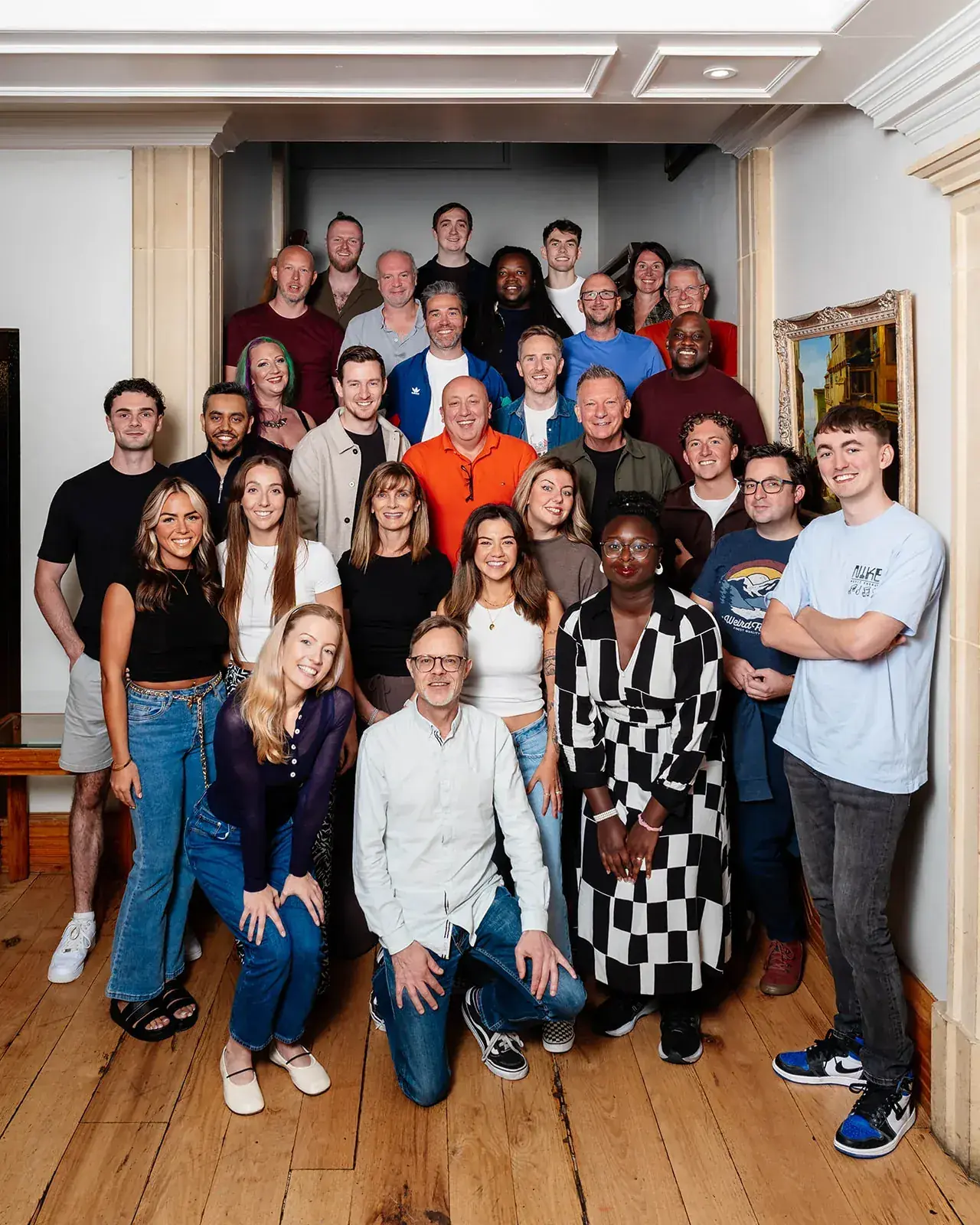
Students today are not merely seeking training locations; they want community. They arrive early to warm up alongside familiar faces, stay after class to socialise, and feel connected to something larger than themselves.
Martial arts clubs are naturally suited to this concept because they unite people through shared discipline, routine, and progression. Clubs embracing this approach through thoughtful design, staff interactions, and identity-driven communities are already experiencing stronger loyalty.
In 2026, adopting the third space concept becomes a strategic advantage. When students view a club as their "place" to connect, learn, and unwind, their commitment deepens, retention improves, referrals occur naturally, and the club becomes difficult for competitors to replicate.
Strength Training Becomes Essential for Every Age Group in 2026
Strength training has long supported martial arts performance, but 2026 marks a shift toward universal expectation. Students across all age groups — from young adults seeking improved power and injury resilience to older adults focused on maintaining mobility, balance, and confidence — are becoming increasingly aware of how strength underpins longevity and everyday function.
Public health campaigns and major publications continue to promote "strength training as critical to healthy ageing and metabolic health."
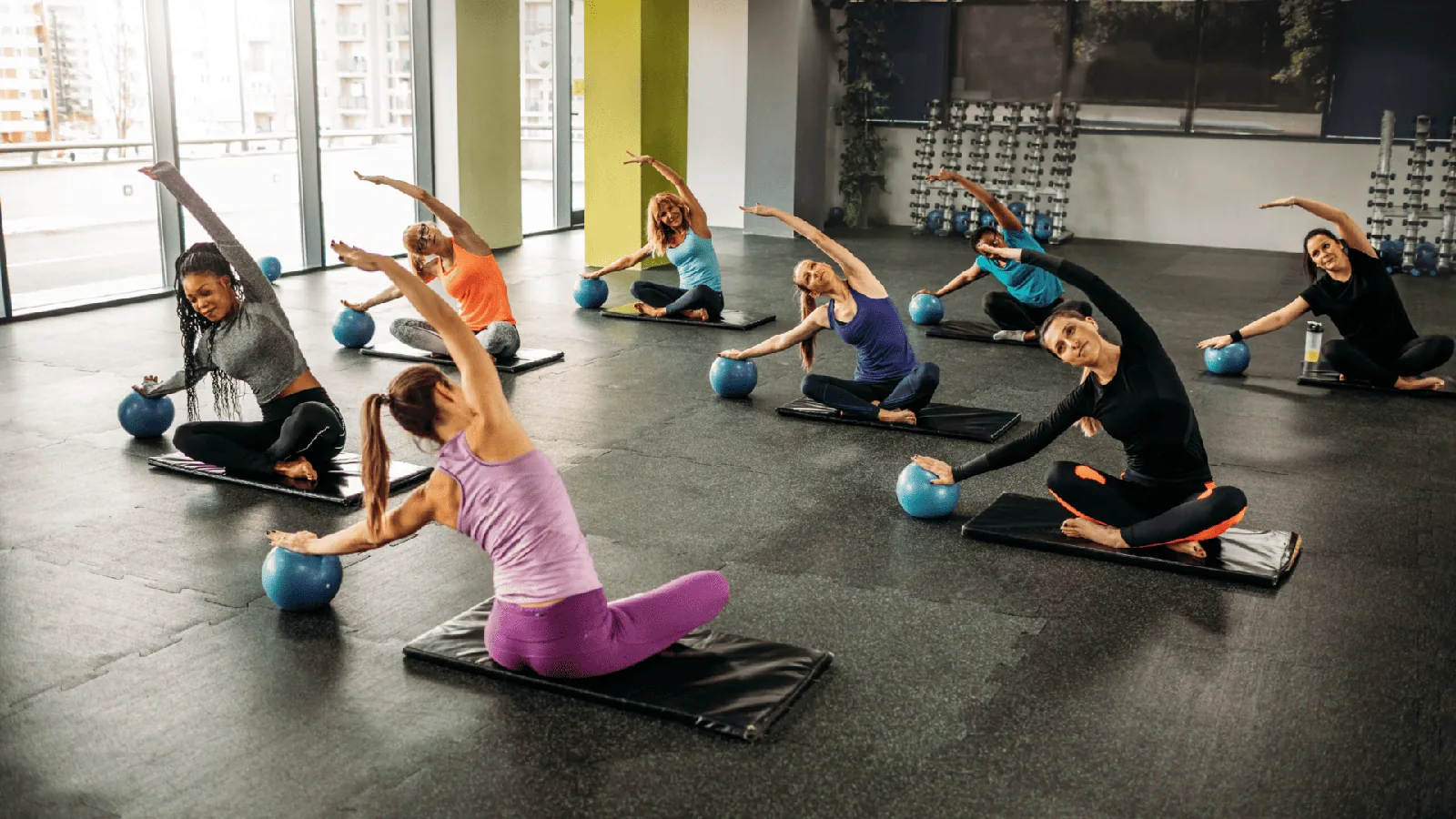
For martial arts clubs, this presents a valuable opportunity. Incorporating accessible strength-based sessions — such as mobility and conditioning classes, resistance training for beginners, or strength circuits tailored to different age groups — helps students feel physically capable and supported in their training.
When students clearly see and feel progress, they stay longer. Strength becomes one of the most powerful retention tools a club can adopt.
Automation and Seamless Digital Experiences Will Define the Martial Arts Experience
Technology is always discussed when analysing future trends. However, in 2026, the focus is less on wearables and equipment, and more on members expecting everything to work smoothly.
People will judge a martial arts club as much on its digital journey as its in-class experience.
If joining is difficult, payments fail unexpectedly, booking classes feels confusing, or cancellations require awkward texts, members simply won't engage. Conversely, a seamless online experience makes a club feel modern, organised, and student-focused.
Automation also frees instructors to do what they do best: teach, motivate, and build relationships. It protects revenue, reduces errors, and removes friction points that cause members to cancel. Heading into 2026, clubs that run smoothly behind the scenes will stand out. Friction in the digital experience is becoming a brand issue, not just an operational one.
Corporate Partnerships Will Become a Key Revenue Stream for Martial Arts Clubs
Corporate wellbeing is evolving, and businesses are no longer relying solely on large fitness chains for employee fitness. Employers are seeking ways to support staff mental health, reduce burnout, and counteract the physical strain of prolonged desk work. Martial arts addresses all these needs: it offers stress relief, structured progression, social connection, and highly engaging movement.
For club owners, this opens the door to stable, recurring revenue and a fresh stream of new students. Corporate partnerships can take many forms: dedicated lunchtime sessions, discounted memberships, onsite workshops, self-defence seminars, or team-building events. These partnerships also help fill quieter hours in schedules and strengthen a club's role within the local community.
With the right packages and a clear value proposition, 2026 could be the year B2B becomes a core part of martial arts club growth.
The Shift Toward Learning-Focused Fitness in 2026
Martial arts has always been skill-based, which puts clubs at a natural advantage as the wider fitness industry shifts toward learning-focused training. In 2026, more people will want fitness with purpose: not just burning calories, but gaining a skill, understanding technique, and working through a progression.
Algorithms increasingly favour educational content, and students increasingly want clarity, structured learning, and visible improvement. Martial arts fit this perfectly, but clubs can extend this by offering specialised workshops, block-based beginner courses, sparring fundamentals, weapons forms, grappling clinics, or mobility programmes designed specifically to support martial arts practice.
These structured, skill-based sessions are easier to price at a premium and create strong retention because students feel the satisfaction of progressing through clear levels. They also position a club as a place to grow.
Conclusion
Unlike in the past, the trends shaping 2026 are driven by what people genuinely need: belonging, confidence, and seamless experiences. The opportunity for martial arts clubs lies in leaning into these deeper expectations. Whether focusing on becoming a third space, expanding strength education, refining digital journeys, exploring corporate partnerships, or building skills-based programs, even small changes can create significant advantages in the next year.